
How is plumbing work carried out on a building site ?
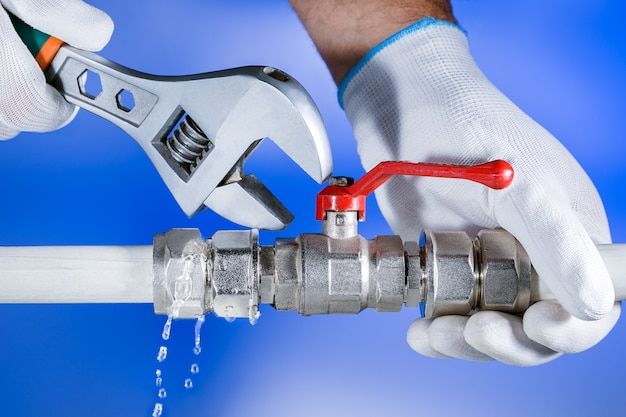
On a construction or renovation site, the plumber’s intervention follows a structured and rigorous approach. His role is not limited to simply laying pipes: he is responsible for the design, implementation and smooth operation of water and gas networks. Here are the main stages in a successful intervention.
- Preliminary study
Everything begins with a preparatory phase. The plumber studies the building plans, identifies water supply and drainage needs, and pinpoints technical constraints (structure, accessibility, regulations).
He then designs a logical, safe and standards-compliant installation scheme, choosing the most suitable materials (PVC, PER, copper, multi-layer…).
- Network installation
Once the plan has been validated, work in the field can begin.
The plumber :
- Traces the route of the pipes,
- Installs hot and cold water supply pipes,
- Installs sanitary equipment (washbasins, WCs, showers, water heaters, etc.),
- Makes connections to public or independent networks,
- And ensures that each junction is watertight and safe.
- Technical checks
Before commissioning, a number of tests are essential:
- Check pipe pressure,
- Tightness check,
- Flow and operating tests.
These steps enable any anomalies to be detected and corrected immediately, guaranteeing a safe, reliable system.
- Finishing and commissioning
Once the tests have been validated, the plumber proceeds with the finishing touches:
- Sealing fittings, installing casings,
- Clean up the work area,
- and commissioning.
He can also provide instructions for use or maintenance if required.
A job that demands method and precision
A plumber’s work on a site is based on good planning, rigorous technical execution, systematic testing, and clean, compliant commissioning.
This is the working method that RCK DISTRIBUTION AND SERVICES applies to each and every one of its projects, relying on qualified, experienced technicians committed to customer satisfaction.